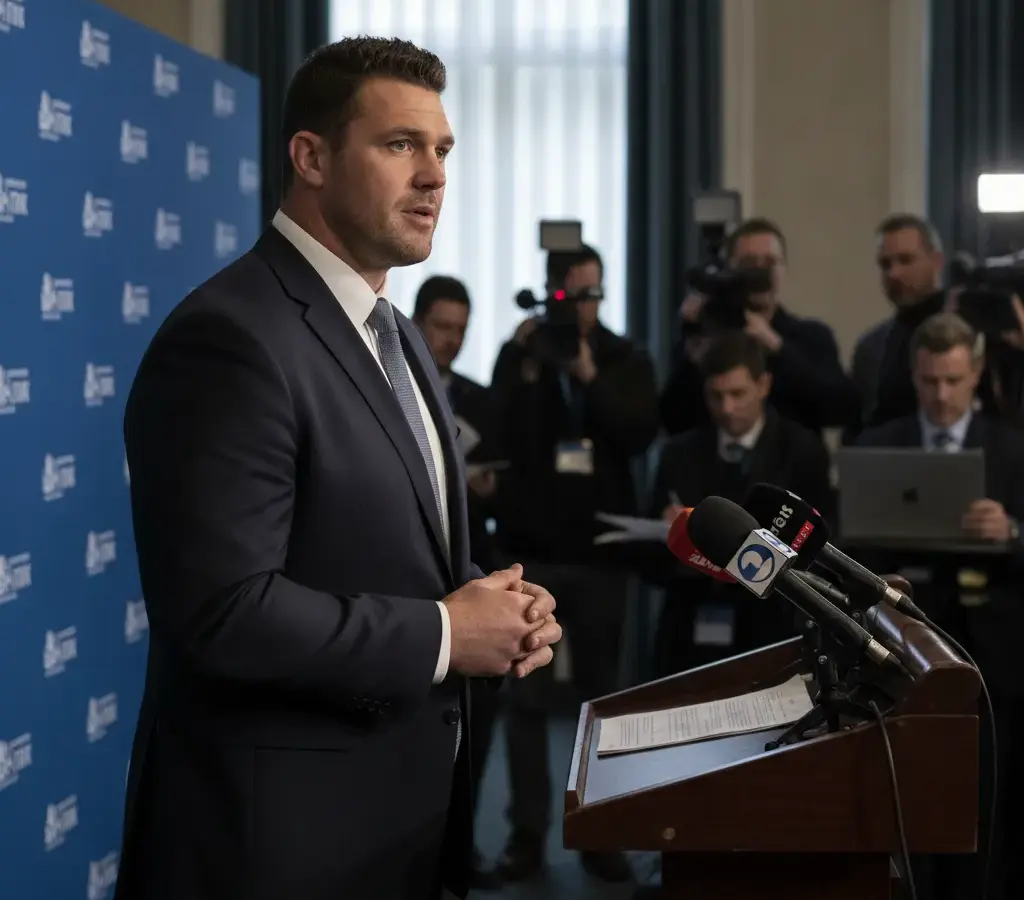
David Pocock may possess the imposing physique of a professional rugby player, but during his recent address to the National Press Club, it was his measured tone and common sense that took center stage. While observers have frequently speculated about a potential run for Prime Minister, the ACT senator was quick to dismiss those rumors. Instead, he revealed an ambition far broader than any single office, focusing on dismantling the rigid two party system in favor of a community driven political collective that serves Australians regardless of who holds the keys to The Lodge.
Central to this vision is a plea for basic decency within the halls of power. Pointing to the toxic atmosphere of question time and recent attacks on fellow independent MP Helen Haines, Pocock urged his colleagues to abandon their aggression and double down on values like transparency and kindness. For him, shifting the culture of parliament is not just about etiquette, but about creating a space where genuine representation can survive without being drowned out by partisan warfare.
This desire for systemic change extends into concrete economic proposals aimed at lifting citizens out of poverty. Pocock advocated for a twenty five percent tax on gas exports and a levy on data centers to fuel essential services. He painted a stark picture of the current failures of the social safety net, recounting heart wrenching encounters with constituents forced to eat dog food due to inadequate welfare payments. By growing revenue rather than slashing spending, he argued that Australia could easily afford better aged care and critical medical supports for cancer patients.
While he remains a lone voice in the Senate without formal balance of power, Pocock has proven remarkably adept at steering the national conversation toward resource taxes and corporate accountability. His goal now is to foster an alliance between independently minded candidates and grassroots movements across various electorates. Though he insists he isn’t seeking the top job himself, his effort to organize a coalition of community interest parties suggests he is playing a much longer game than traditional politics allows.